Built to Fit Your ELO-P, ASES, and 21st CCLC Programs ESL & Spanish Two Languages, One Plan
California’s expanded learning programs require hands-on, engaging learning experiences that develop students academically, socially, emotionally, and physically — and complement, but do not replicate, the regular school day. FabuLingua is an allowable use of all three programs, in both language directions. Here’s how.
ELO-P
Expanded Learning Opportunities Program
Built for TK–6.
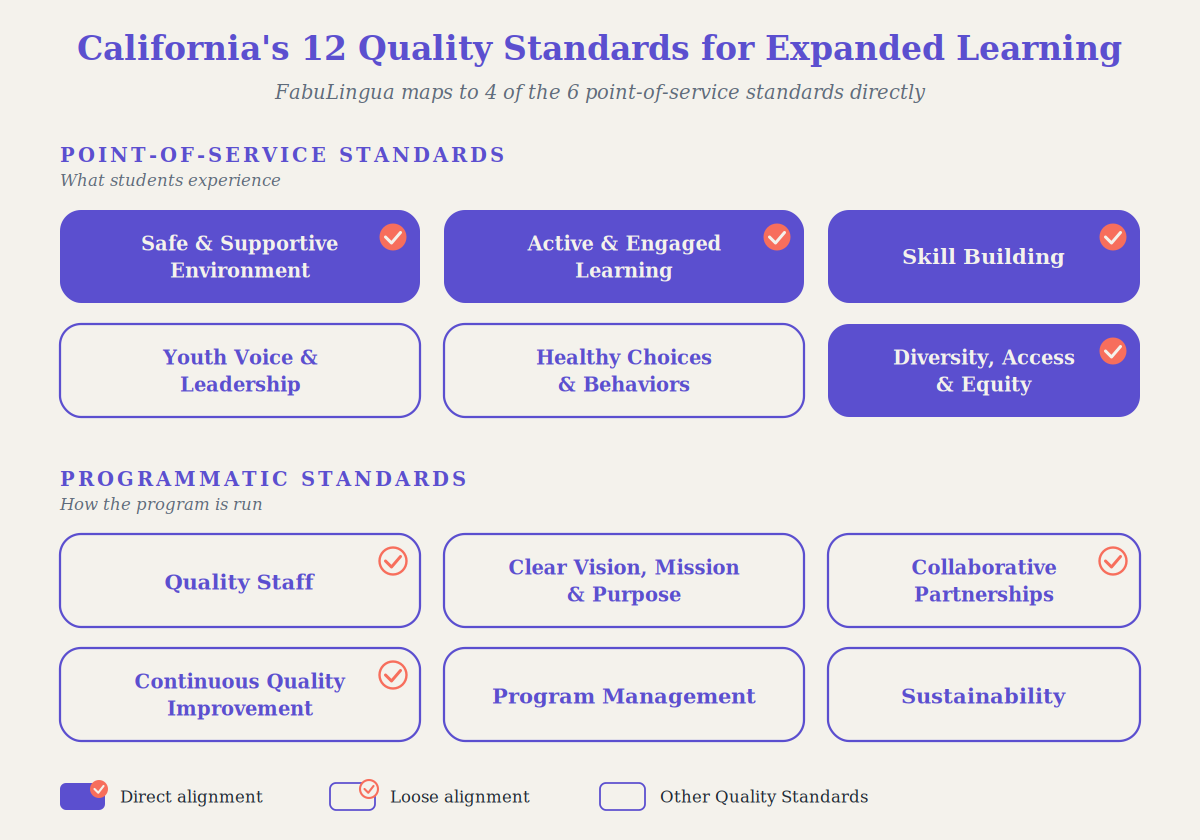
Maps to four point-of-service Quality Standards.
Per-pupil cost works comfortably inside Rate 1 funding ($2,750 per ADA student).
Serves your English Learners directly with built-in ESL — and your English speakers with Spanish enrichment.
California Education Code §46120
ASES
After School Education and Safety Program
Fits the educational enrichment element.
Reading practice in either language counts as literacy practice.
Renews cleanly through the standard ASES three-year cycle.
California Education Code §8482
21st CCLC
21st Century Community Learning Centers
Federally evidence-based.
ESL service is a direct fit for 21st CCLC’s English Learner mandate.
How FabuLingua Fits Your After-School Enrichment Block
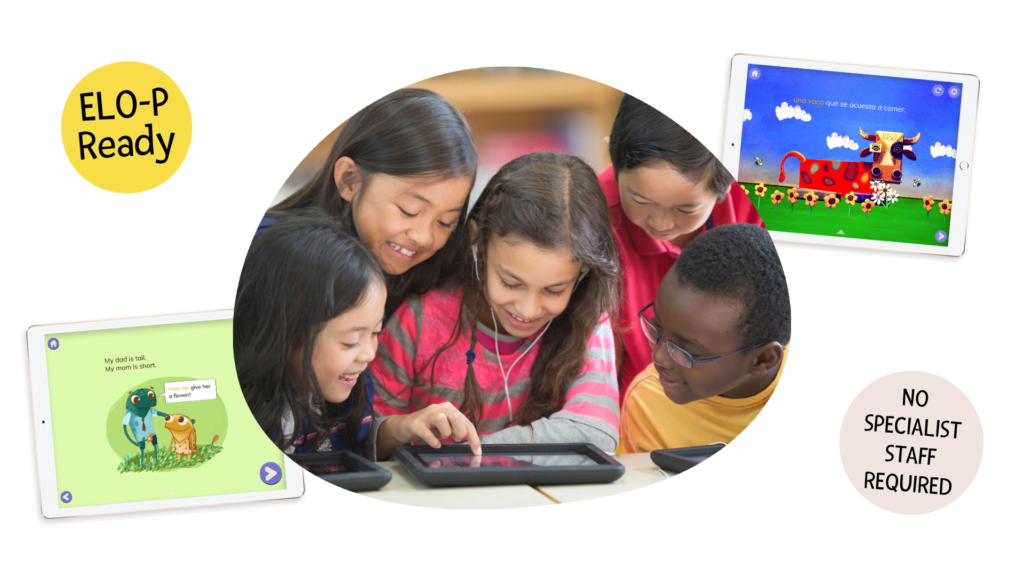
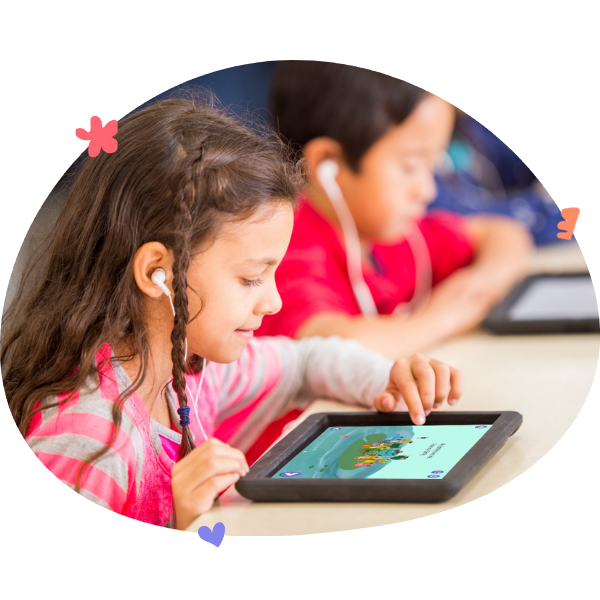
Thirty minutes. A tablet per child. One site coordinator. Spanish Learners and English learners — same room, same flow.
0–5 min
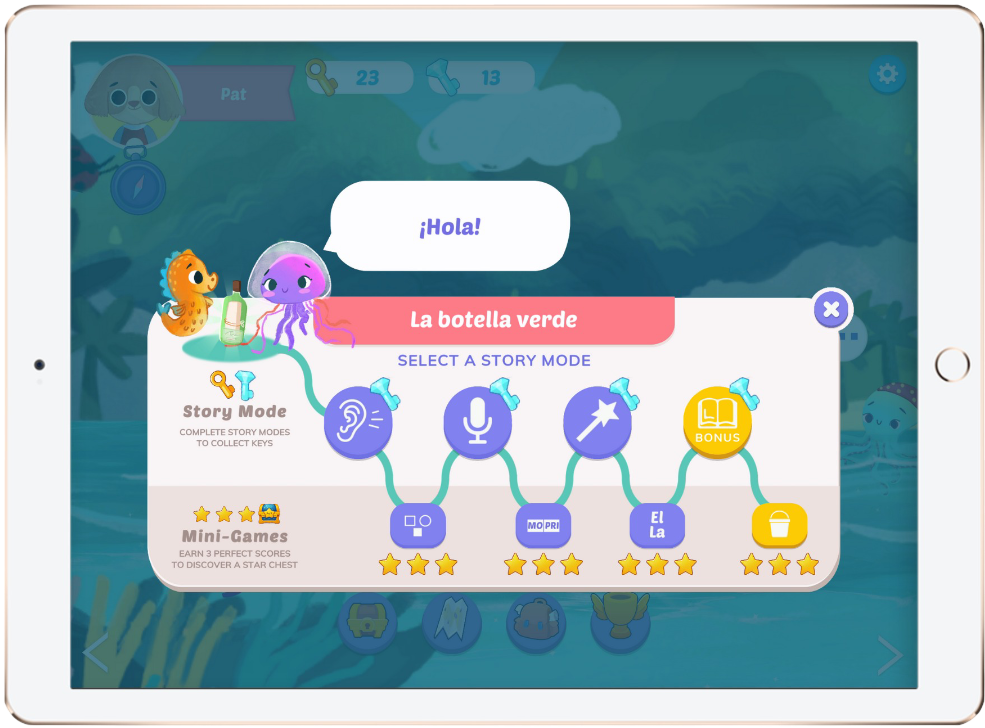
Children open their assigned class and pick a story and its their Learning Path.
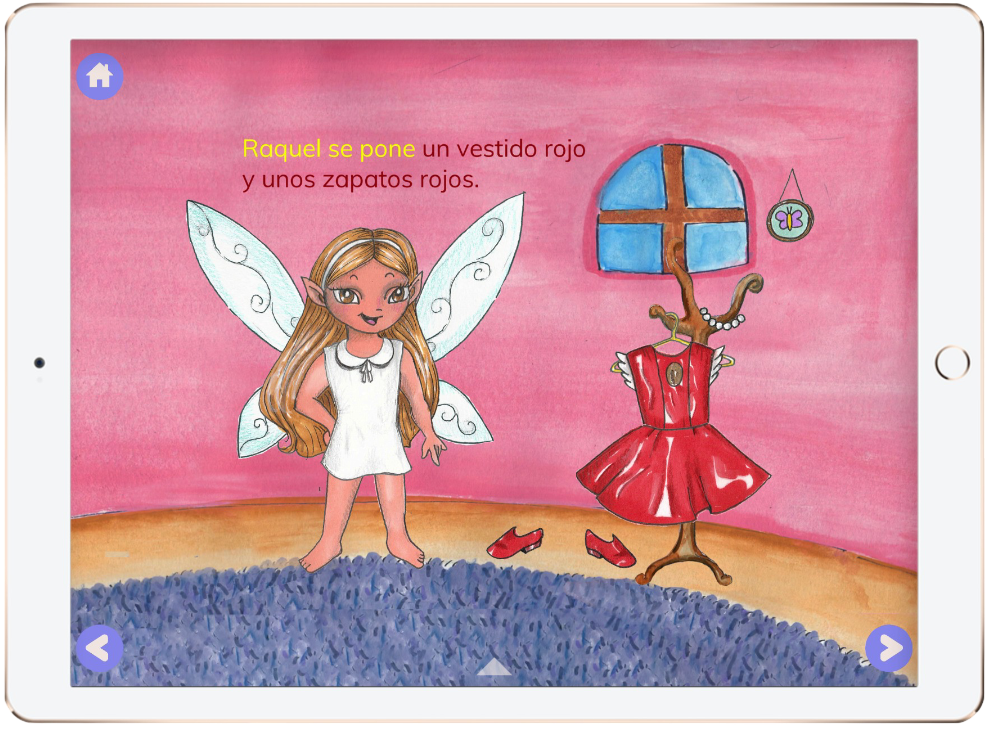
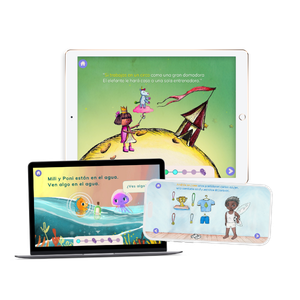
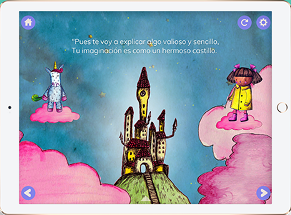
They read while the narrator alternates the story language and their native language in rhythm. They tap. They listen. They laugh.
5–20 min
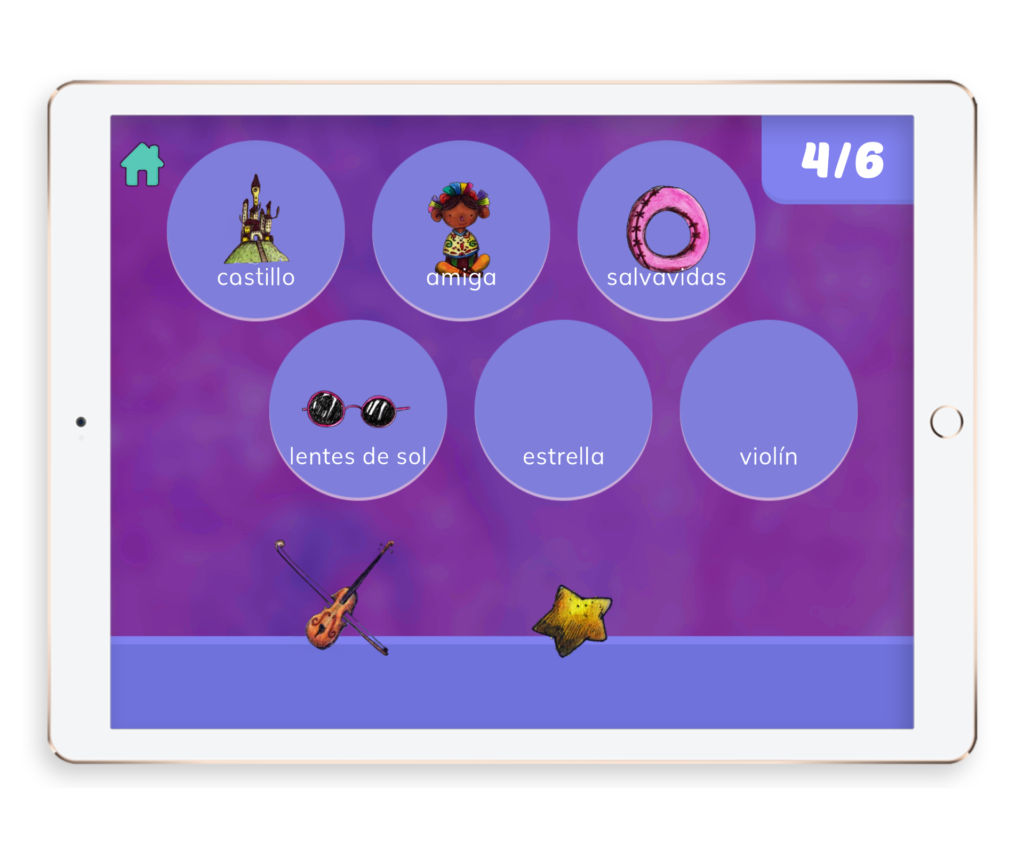
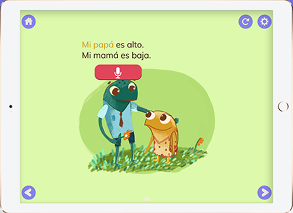
Either a mini-game or CopyCat recording mode unlocks for that story.
Vocabulary lands through play.
20–25 min
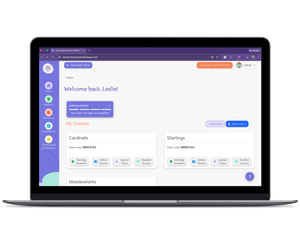
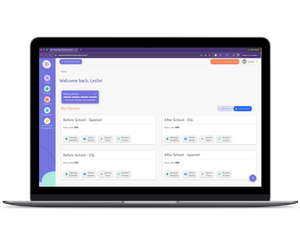
Site coordinator sees today’s progress — across all classes, both languages — on one dashboard.
Class wraps.
25–30 min
One coordinator. One dashboard.
As many classes as the program needs — Spanish learners and English learners. All in the same after-school block. No specialist staff required.
$240 per site license per year (50 students)
English Learners
For Your English Learners (and Their Spanish-Speaking Families)
ELO-P funding is weighted by your district’s Unduplicated Pupil Percentage (UPP) — English Learners, foster youth, and students from low-income families.
FabuLingua now serves your English Learners directly: same stories, same fun mobile game, same patented science — but for Spanish speakers learning English.
And because the same product handles both directions, your English-speaking peers can be in the same after-school block at the same time, learning Spanish — making FabuLingua not just an EL service, but a complete language enrichment program for everyone in the room.
1NCTE Statement on Independent Reading, 2019. 2Harvey & Ward, From Striving to Thriving, 2017 — “four decades of research have established that voluminous, pleasurable reading is key to literacy development.” 3Krashen, on Comprehensible Input and the Affective Filter.
The English reading hours immigrant families can't always provide.
Decades of research is clear: children who read a lot of English stories develop higher English reading and writing skills throughout school and into college.1 Many monolingual English families know this — bedtime reading becomes a baked-in routine. But many immigrant families struggle to provide those extra hours of English reading at home. Sometimes it’s working hours. Sometimes it’s the discomfort of reading aloud in a language they’re not fluent in. Either way, that daily 30 minutes of low-stakes, fun English reading — the kind research says matters most2 — doesn’t happen.
After-school is exactly where it can happpen: thirty minutes a day. Stories narrated by native English speakers that are fun, low-stakes, high-engagement — the conditions language acquisition research says are essential.3 Children read every day. They play with the language. They build the volume of exposure that classroom hours alone cannot provide. And their families don’t have to feel responsible for what they couldn’t do.
Dual-Language Sites
If You Run Dual-Language Sites, You May Be Told They Don't Need Spanish Enrichment.
The Opposite Is True.
Dual-language schools across the country have built one of the most ambitious bilingual education investments in their districts. But research is clear: classroom Spanish alone — even in a dual-language program — isn’t enough to produce true bilingualism and biliteracy. Children need extensive reading in their target language outside of school, the same way monolingual English children need it for English.
The at-home Spanish reading gap is real — and it's not the parents' fault.
An ethnographic study FabuLingua commissioned — over 40 hour-long interviews with dual-language families, conducted by an independent researcher — found that most English-speaking parents who send their children to dual-language schools don’t read to them in Spanish at home. Not because they don’t care — they care deeply, which is why they chose the program. The honest reason is more human: their Spanish is usually a second language too. Reading aloud after a long workday, in a language they’re not fluent in, with pronunciation they’re self-conscious about, is uncomfortable. So they don’t do it, or do it rarely. And the dual-language program quietly underdelivers.
Read More
Dual-language districts invest millions in raising bilingual children. The last mile — the reading hours that turn classroom exposure into real fluency — is the gap that determines whether that investment pays off. After-school programs are exactly where that gap can be closed: thirty minutes a day of for-pleasure, fun, low-stakes Spanish reading, narrated by native speakers, in an environment where neither the staff nor the parent needs to be the language model.
FabuLingua is built for that gap. So is the same product, in reverse, for English Learners.
And here’s the key insight for ELO-P directors at dual-language sites: the Spanish your students get during the school day is academic Spanish — social studies, math, science. Important, necessary, and high-stakes. What they’re missing is the Spanish that turns classroom exposure into real love of the language: fun stories, voluntary reading, low-stakes play. After-school is where that lives.
Aligned with California's 12 Quality Standards for Expanded Learning
California assesses every ELO-P and ASES program against 12 Quality Standards. FabuLingua maps tightly to seven of the twelve Quality Standards — four point-of-service and three programmatic.
Safe & Supportive Environment
The Affective Filter is intentionally low.
No drills, no grades, no shame.
Engaging stories children understand and love — in the relaxed, engaged state language acquisition needs.
Active & Engaged Learning
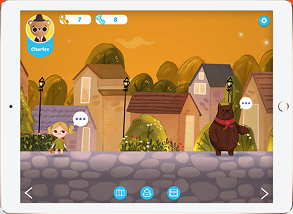
Children read, listen, record, and play.
They choose what to play next on their Learning Path.
Skill Building
Reading + listening + speaking + biliteracy in the target language.
Spanish speakers learning English see themselves too.
The product is the same for every child.
Plus three programmatic standards: Quality Staff (no Spanish or English specialist required), Collaborative Partnerships (parent-app pairing for family engagement in either language), and Continuous Quality Improvement (dashboard data feeds your CQI process across all classes).
ELO-P advocates push for family engagement that uses children’s home languages.
FabuLingua’s site coordinator can invite each child’s family to adopt their profile and continue the same stories at home — and the dashboard sees both.
Three audiences this serves:
For Spanish-speaking families with a child learning English: A way to practice English alongside their child — together, in a low-stakes way they couldn't get from a classroom.
For Spanish-speaking families with a child learning Spanish: A bridge to share their heritage language with their child.
For English-speaking families with a child in a dual-language program: The Spanish reading their child needs at home — narrated by native speakers, so the family doesn't have to be the language model.
The English reading hours immigrant families can't always provide.
Most ESL programs ask immigrant parents to support their child’s English learning at home — knowing those parents may not speak fluent English themselves. FabuLingua flips this. The same stories the child reads in the after-school program can be read together at home, with the same Spanish-to-English bridging — and the parent is learning alongside the child. Family literacy outcomes show up in your dashboard. Twenty-first century family engagement, finally honest about who’s actually in the home.
What Your Site Coordinator Actually Gets
A program your staff can run. In two languages. Tomorrow.
No Specialist Required
— In Either Language
Your after-school staff don't need to know Spanish, and they don't need to be ESL-certified.
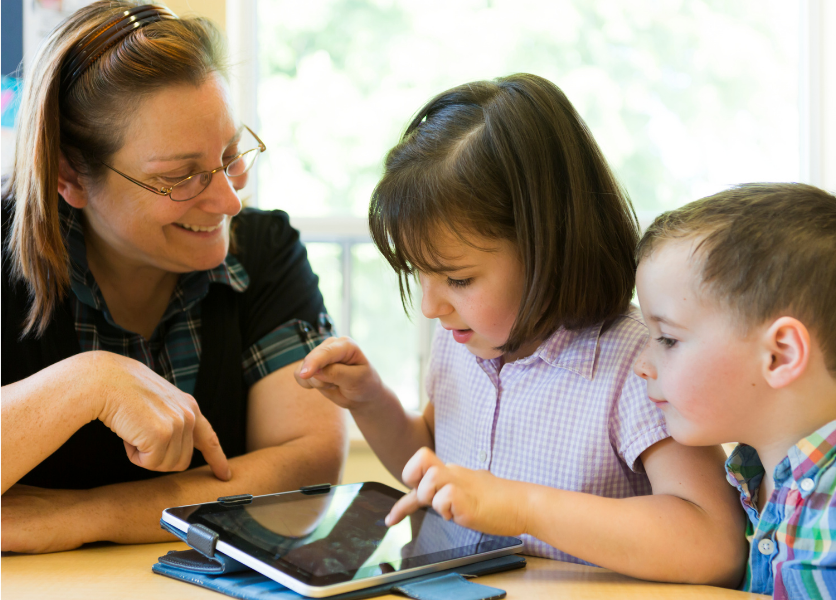
The product teaches; the staff supervises and cheers.
Run Spanish learners and English learners in the same room.
One Dashboard, Many Classes
Create as many classes as your program needs — Monday Spanish class, Summer Camp Week 2 ESL class.
See engagement, completion, voice recordings, and time-on-task across all classes.
Pull data for CQI and APR reporting automatically.
Drop-In or Daily
Works as a weekly enrichment block, a daily 30-minute rotation, or a self-paced station.
Roster import via Clever, ClassLink, or Google Classroom.
Class codes mean students self-serve their profile.
Used by school districts, after-school operators, and community-based partners alike.
Built on 40 Years of Language Acquisition Research — In Both Directions
FabuLingua is grounded in Dr. Stephen Krashen’s research on Comprehensible Input and the Affective Filter — the science that explains how all humans acquire a second language. Our patented Magical Translations® method delivers Comprehensible Input through stories children can finish — in Spanish or in English.
We’re inviting our first ten California districts and after-school operators to be FabuLingua Founding Partners — with locked pricing, a custom case study, first access to new content, and launch support.
Yes. ELO-P (California Education Code §46120) funds enrichment activities that develop students academically, socially, emotionally, and physically through hands-on, engaging learning experiences. Both Spanish enrichment AND ESL service through FabuLingua’s story-based program meet all these criteria — and complement, rather than replicate, the regular school day.
Does FabuLingua satisfy the ASES educational enrichment element?
Yes. ASES (California Education Code §8482) requires both an educational enrichment element and an educational and literacy element. FabuLingua serves both — enrichment in either Spanish or English, plus literacy practice in the target language.
Is FabuLingua evidence-based per ESSA's tiered evidence definitions?
FabuLingua’s method is grounded in over 40 years of peer-reviewed research on Comprehensible Input and the Affective Filter — both foundational to second language acquisition. Our Magical Translations® method is patent-protected and delivers Comprehensible Input through stories.
Does FabuLingua serve our English Learners directly?
Yes. FabuLingua’s English (ESL) product is built specifically for Spanish-speaking children in TK–6 — the population California’s expanded learning funding formula is weighted to serve. It delivers story-based English reading and listening through the patented Magical Translations® method, narrated by native English speakers, in a low-stakes environment where children read voluntarily and absorb the language. ESL service is one of the two language directions FabuLingua delivers on a single platform, alongside Spanish for English speakers.
Can we run Spanish learners and English learners in the same after-school block?
Yes. Site coordinators create as many classes as the program needs. Both populations can run simultaneously in the same room as long as the program has enough tablets or laptops.
How does FabuLingua serve dual-language schools and immersion programs?
Classroom Spanish alone — even in a strong immersion program — isn’t enough to produce true bilingualism; children need extensive target-language reading outside of school, the way monolingual English children need it for English. But an ethnographic study by FabuLingua found that most English-speaking families in dual-language programs don’t read to their children in Spanish at home, not for lack of caring but because they aren’t fluent or comfortable doing so. FabuLingua fills that gap: thirty minutes a day of for-pleasure Spanish reading inside a mobile game children want to return to, narrated by native speakers, with CopyCat mode for pronunciation practice and no specialist staff required.
Is FabuLingua aligned with ELD standards?
FabuLingua’s ESL product is designed to support both Designated ELD and Integrated ELD in an after-school context. It complements in-school ELD by increasing English exposure hours in a low-stakes environment.
How does pricing work for after-school programs?
$240 per year per site license — each license covers up to 50 students in one language direction.
Sites running both Spanish enrichment and ESL service need both license types — one Spanish, one ESL — for auditor clarity.
Schools and operators with 3+ sites get the Multi-site Plan at $190 per license per year.
Do we need specialist staff?
No. FabuLingua is self-guided in either direction. Your existing site coordinator supervises; the app teaches. No specialist required — Spanish or English.
How do parents and families get involved?
Your site coordinator can invite each child’s family to adopt their profile and continue at home. Family literacy outcomes show up in your dashboard.
How long does setup take?
Most programs are up and running within two weeks. Roster import is automatic via Clever, ClassLink, Google Classroom, or CSV upload. Onboarding for site coordinators is included.
What about COPPA, FERPA, and student data privacy?
FabuLingua is COPPA and FERPA compliant. Student data is never sold or shared. Full details are available in the Privacy Policy.
Can community-based and faith-based after-school programs use FabuLingua?
Yes. FabuLingua is used by school districts, after-school operators, and community-based partners — including faith-based organizations and non-profits running ELO-P, ASES, or 21st CCLC sites.
We use cookies to ensure that we give you the best experience on our website. If you continue to use this site we will assume that you are happy with it.